

Grow Lavender in Pots: Planting Lavender in Containers, Care, and Garden Tips.
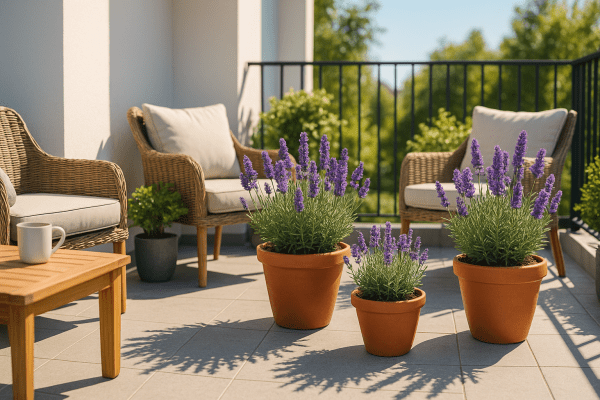
There’s something timeless about the soft purple hues and calming scent of lavender. This aromatic herb has long been treasured in gardens, but you don’t need a sprawling yard to enjoy it. In fact, lavender thrives beautifully in pots, making it an ideal choice for balconies, patios, and small-space gardens.
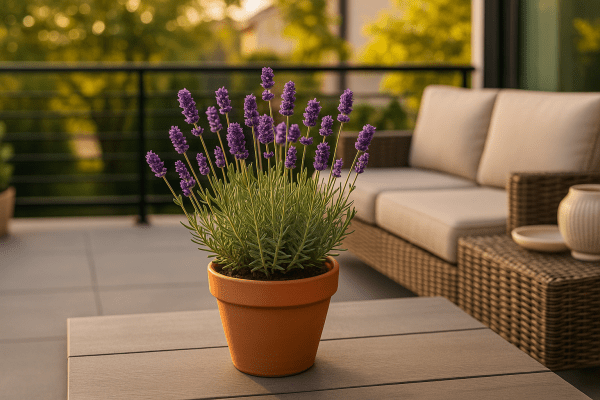
Growing lavender in pots gives you flexibility and control. You can move your potted lavender to chase the sun, protect it from harsh weather, or place it near doorways and windows where its fragrance can be fully enjoyed. Container gardening also allows you to create the perfect soil conditions that lavender loves — light, airy, and well-draining.
Whether you’re new to container gardening or looking to add a classic, fragrant favorite to your plant collection, lavender is a rewarding option. This guide will walk you through everything you need to know, from choosing the right pot and soil to caring for your plant year-round. By the end, you’ll see just how easy it is to bring the beauty and aroma of lavender into your own small garden space.
Disclosure: Some links are affiliate links. If you buy through them, we may earn a small commission at no extra cost to you.
Step-by-Step Guide to Planting Lavender in Pots
Growing lavender in a container is simple once you know the essentials. By giving your lavender plant the right container, soil, and planting depth, you’ll set the stage for healthy growth and abundant blooms. Follow these steps to get started:
Choosing the Right Container or Pot for Lavender Plants
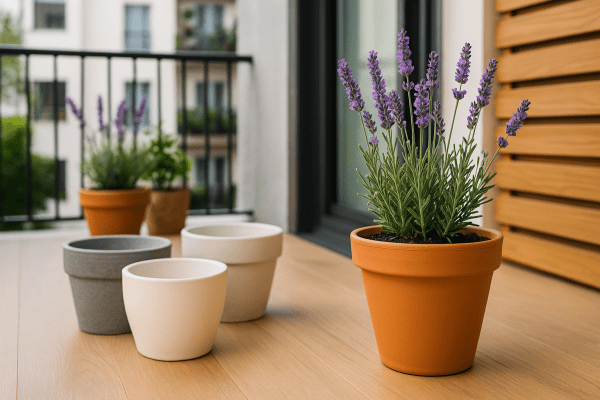
Start with a large pot—preferably 12 to 16 inches deep and wide—to give your lavender plant enough room for root growth and soil to dry properly. A resin terracotta-style pot like the Bloem Terra Pot 14″ offers both durability and breathability. Ensure your pot has drainage holes to prevent soggy soil and root rot.
Related reading: Balcony Gardening Ideas That Instantly Elevate Small Spaces
Best Potting Blend to Grow Lavender in Containers
Lavender thrives in well-draining soil, so the potting blend you choose makes all the difference. Avoid heavy garden soil, which holds too much water and can quickly lead to root rot. Instead, use a light potting blend designed for potted plants, and improve drainage by adding sand, gravel, or perlite.
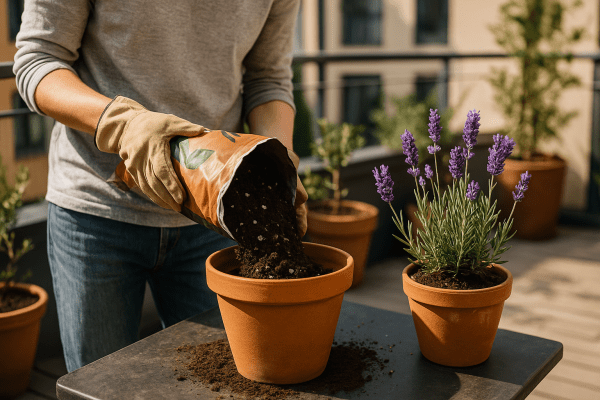
One of the most popular options among gardeners is FoxFarm Ocean Forest Potting Soil, which is rich yet airy, providing a great base for lavender. To make sure excess moisture never lingers, mix in Hoffman Horticultural Perlite. This helps keep the soil structure loose, ensuring the roots get plenty of oxygen.
Related reading: Simple Indoor Gardening Tools That Make Plant Care Surprisingly Easy
How to Plant Lavender in Pots and Containers
Once you’ve chosen the right pot and soil, it’s time to get your lavender settled in. When growing lavender in pots, start by filling the container about two-thirds with your prepared potting mix. Gently remove the young lavender plant from its nursery pot and loosen the roots if they are tightly bound.
Place the plant in the center of the container. Spread the roots outward, then position the crown (where the stems meet the roots) so it sits just above soil level. This is important — if lavender is buried too deeply, it may struggle to bloom. Cover the roots with soil, leaving the crown slightly exposed, and press gently to remove air pockets.
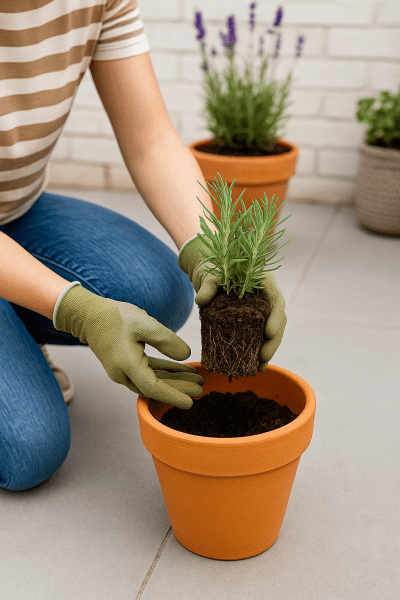
Finally, water thoroughly to settle the soil. Make sure excess water drains out freely; lavender dislikes soggy roots. From here, place your potted lavender in a sunny location where it can begin to thrive.
Recommended product: Fiskars Ergo Trowel – lightweight and comfortable for potted planting.
Related reading: Top-Rated Indoor Gardening Tools That New Plant Parents Trust
Care and Maintenance Tips for Potted Lavender Plants
Once your lavender is planted, it’s all about creating the right balance of sunlight, water, and pruning. With the right routine, a lavender plant in a pot can thrive for years.
Watering Lavender: How to Keep Soil Humidity Balanced
Lavender is drought-tolerant, so the biggest mistake is overwatering. Check moisture weekly and water only when the top inch feels dry. When you water, soak the root zone and let excess drain completely—never leave the saucer full. In hot spells, you may water more often, but always let the mix dry between waterings.
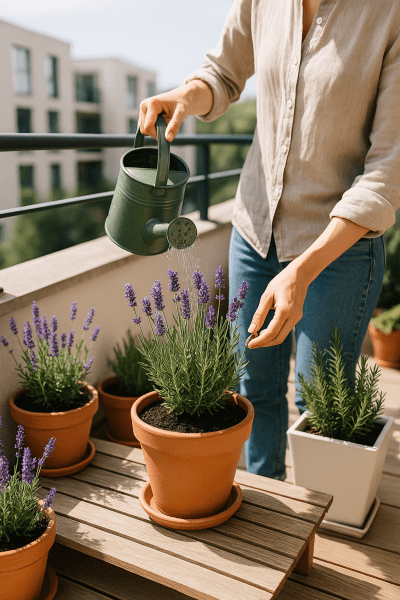
A simple way to avoid guesswork is to use a soil humidity meter. Dip the probe near the root ball; water when the dial reads in the “dry” zone. It’s especially helpful for larger pots where the surface looks like dry soil but the middle is still wet.
Recommended product: XLUX T10 Soil Moisture Meter.
Light Requirements: Sun and Growing Conditions for Lavender
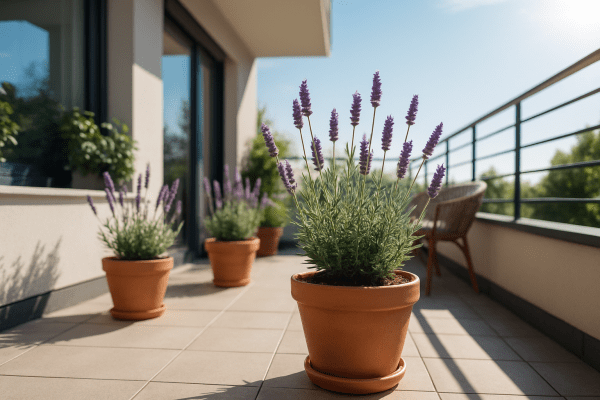
Sunlight is the single most important factor for healthy lavender. To thrive, a potted lavender plant needs at least six hours of full sun each day. Outdoors, place your container on a south- or west-facing patio or balcony where the plant can soak up consistent light. In very hot climates, some light afternoon shade helps protect the foliage from scorching while still giving plenty of energy for flowering.
If you’re growing lavender indoors, it can be challenging to meet this need naturally. Position the pot right next to a south-facing window and rotate the container every week for even growth. When natural light isn’t enough, consider supplementing with a grow light. A small, energy-efficient lamp can make the difference between weak, leggy stems and a strong, bushy plant.
Recommended product: Grow Light LED.
Related reading: Window Gardening Ideas That Instantly Elevate Small Spaces
Fertilizing Your Lavender Plant
Lavender is not a heavy feeder. In fact, giving it too much fertilizer can encourage leafy growth at the expense of flowers. To keep your container lavender blooming beautifully, feed it sparingly.
The best approach is to fertilize lavender once in early spring with a balanced fertilizer that releases nutrients slowly over time. Look for a formula labeled 10-10-10 or similar, which provides equal parts nitrogen, phosphorus, and potassium. This supports steady growth without overwhelming the plant. Avoid high-nitrogen blends, as they can make lavender leggy and reduce its aromatic blooms.
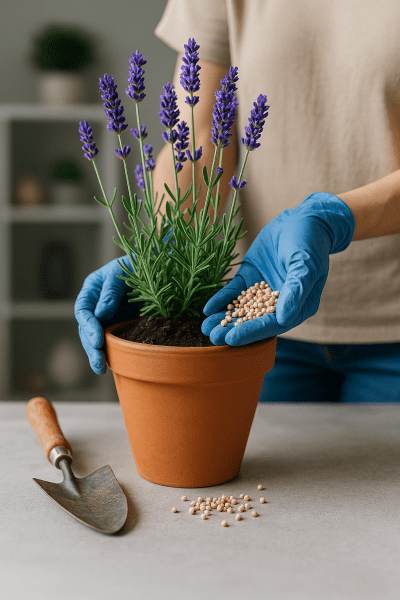
If your potted lavender looks pale or sluggish mid-season, a very light dose of liquid fertilizer diluted to half strength can provide a boost. But in most cases, a single spring application is all your plant needs for the year.
Recommended product: Osmocote Smart-Release Plant Food Flower & Vegetable.
Related reading: Simple Indoor Gardening Tools That Make Plant Care Surprisingly Easy
Pruning Lavender in Containers and Pots
Regular pruning is one of the best ways to keep your potted lavender healthy and productive. If left untouched, lavender can become woody, leggy, and less likely to flower. By learning how to prune lavender correctly, you’ll encourage a fuller, bushy lavender plant that produces plenty of aromatic blooms.
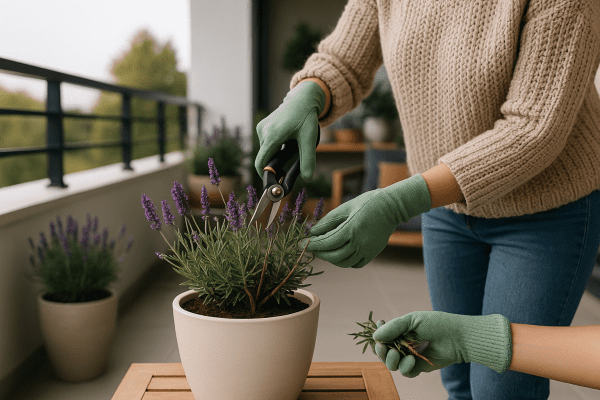
Start by lightly trimming back faded flower stems after the first flush of blooms. This often encourages a second round of flowering later in the season. In late summer or early fall, give your plant a more substantial prune — cut the stems back by about one-third of their height. Always leave some green foliage on the plant, as lavender does not regrow well from old wood. Avoid cutting into the woody base, or the plant may struggle to recover.
Pruning not only maintains shape but also improves airflow, which reduces the risk of pests and fungal disease. With the right care, your container lavender will stay compact, fragrant, and long-lasting.
Recommended product: Corona ClassicCUT Bypass Hand Pruner – perfect for trimming lavender stems without damage.
Related reading: Top-Rated Indoor Gardening Tools That New Plant Parents Trust
Seasonal Guidance for Growing Lavender in Pots
Lavender is resilient, but container plants face more stress from heat, cold, and wind than those in the ground. Here’s how to adjust care for each season to keep your lavender plant thriving year-round.
Overwintering Lavender Indoors
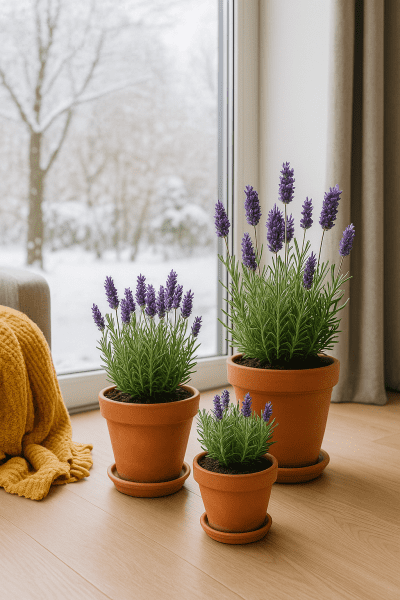
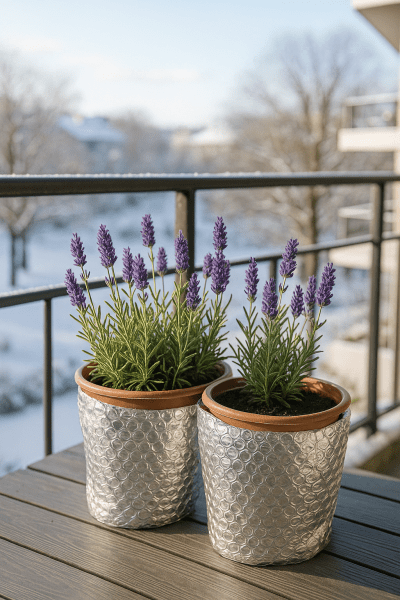
In cold climates, potted lavender requires extra protection. If winter temperatures regularly drop below freezing, move your pots into a sheltered spot, such as a sunroom, garage with windows, or near a south-facing window indoors. You can also insulate the roots by wrapping pots in thermal plant covers. This helps reduce root damage from frost while keeping the plant dormant.
Related reading: Balcony Gardening Ideas That Instantly Elevate Small Spaces
Summer Growing Conditions and Care for Lavender
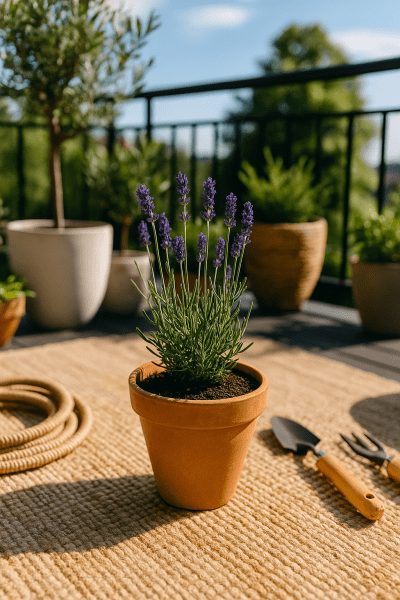
During summer, your potted lavender in a sunny spot will thrive, but heat stress can be a challenge. Place the container where it receives morning to midday sun and some light afternoon shade if you live in a hot region. Water deeply but less often, allowing the soil to dry between waterings. Remember, lavender is drought-tolerant, and too much water in hot weather can harm it more than a brief dry spell.
Recommended product: XLUX T10 Soil Moisture Meter.
Fragrance and Lavender Flowering in Pots
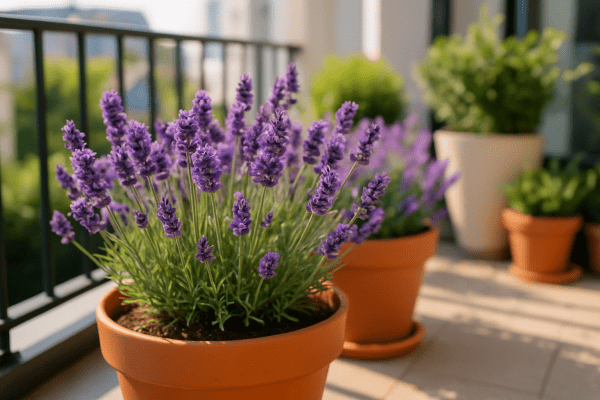
The real joy of growing lavender is enjoying its fragrant lavender flowers. Expect the first major flush of blooms in late spring or early summer, with a possible second bloom after light pruning. Fragrance is strongest on warm days, so place containers where you can brush past them — near doorways, patios, or windows. Regular pruning and sunlight help extend the bloom period and maintain fragrance intensity.
Troubleshooting Common Problems with Potted Lavender
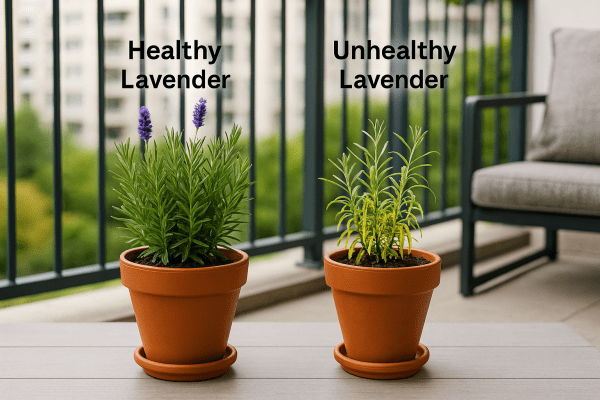
Identifying Issues: Growing Lavender in Containers and Pots
Even the best lavender plant care can run into problems. Yellowing leaves often mean overwatering, while dry, brittle stems suggest underwatering. Always check your soil dampness: lavender thrives in a well-draining potting mix that stays lightly dry between waterings. Make sure your container has proper drainage holes so excess water can escape.
Tip: A simple tool like a Soil Moisture Meter can help you avoid over- or under-watering by showing exactly when your plant needs attention.
Common Pests and Diseases
Lavender is naturally hardy and somewhat drought-tolerant, but pests still appear. Look for signs of aphids, spider mites, or whiteflies — such as sticky residue on leaves or distorted new growth. Treat infestations promptly with insecticidal soap or neem oil.
Fungal problems like root rot usually result from poor drainage in pots or containers. Prevent this by using a sandy, well-draining soil mix and avoiding heavy watering.
Consider upgrading to FoxFarm Ocean Forest Potting Soil mixed with Perlite for Aeration, both excellent for keeping lavender roots healthy.
Environmental Stress, Soil, and Growth Problems in Lavender
Not every issue is caused by pests. Sometimes it’s just environmental stress. Lavender thrives in full sun, needing at least 6+ hours daily. If growing lavender indoors, place your pot near a bright south-facing window or under a grow light (see our article on Top-Rated Indoor Gardening Tools That New Plant Parents Trust for recommendations).
Fertilizing is another common mistake — lavender plants require only a light feed. Too much nitrogen causes lush leaves but very few blooms. If your lavender isn’t flowering, cut back on watering, ensure it’s in a sunny spot, and avoid high-nitrogen fertilizer.
Pro Tip: Lavender actually enjoys being slightly root-bound in its container. Resist the urge to repot too often — keeping it snug helps focus energy on producing flowers rather than foliage.
Frequently Asked Questions about Lavender in Pots
What Types of Lavender Grow Well in Pots?
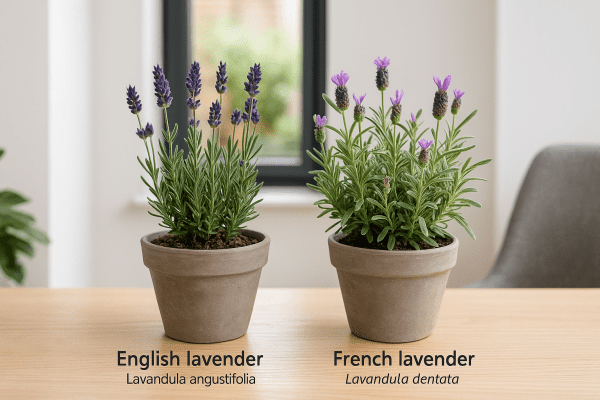
The two best varieties for container plants are English lavender (Lavandula angustifolia) and French lavender (Lavandula dentata). These compact types adapt well to growing in pots, thrive in full sun, and deliver beautiful lavender flowers with that classic fragrance. For an easy start, consider using Bonnie Plants Lavender, which comes ready to grow in containers.
Can Lavender Be Grown Indoors Successfully?
Yes! Lavender can be grown indoors and flourishes as long as it receives direct sunlight for 6–8 hours a day. If that’s not possible, supplement with a grow light to mimic full sun. Indoor lavender care is all about balancing soil humidity (never soggy) and ensuring good airflow around the pot.
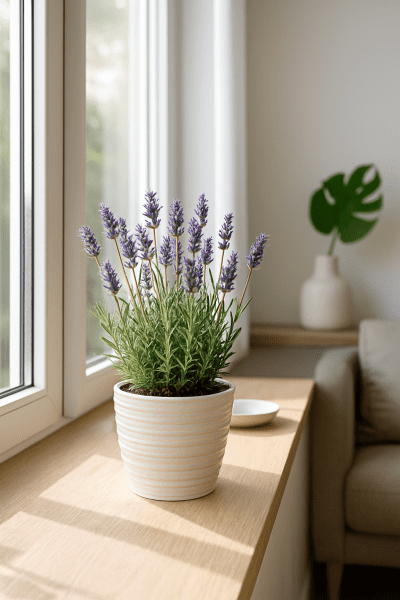
Tip: A rolling terracotta pot or container on a plant caddy makes it easy to move the potted lavender between windows for optimal light. Check out the Yangbaga Plant Caddy.
Is Lavender a Good Indoor Plant for Fragrance?
Absolutely. Lavender plants are famous for their fragrant flowers, making them one of the best herb choices for indoor fragrance gardens. Place your potted lavender in a sunny spot near seating areas to enjoy its calming scent.
If your lavender isn’t producing much aroma, it might be due to over-fertilization or the wrong soil mix. Switch to a leaner potting soil like Burpee Premium Organic Potting Mix, which promotes blooms over leafy growth.
Conclusion: Grow Your Lavender in Pots and Containers Today!
With the right lavender varieties, a well-draining potting mix, and sunny placement, your potted lavender can flourish beautifully even in small spaces. Whether you’re working with a balcony, patio, or a sunny windowsill, lavender adapts easily to container life when given the right growing conditions.
Remember:
- Choose pots with proper drainage holes.
- Keep soil humidity balanced (moist, not soggy).
- Give your lavender at least 6 hours of direct sunlight daily.
From fragrant flowers indoors to thriving container plants outdoors, lavender can flourish and reward you year after year with both beauty and aroma.
Ready to get started? Browse top-rated lavender starter plants and give your small space a fragrant boost today.
Looking for more inspiration? Check out our guide on Window Gardening Ideas That Instantly Elevate Small Spaces for creative ways to style your lavender pots.
Disclosure: Some links are affiliate links. If you buy through them, we may earn a small commission at no extra cost to you.

